Skip to content

A global professional learning pathway

Seven Webinars on the Science of Learning.

A progressive journey from understanding how learning works to transforming classrooms, schools and learning communities.

Why this pathway exists

Research has revealed powerful principles. Teachers need a bridge to practice.

Cognitive science, psychology and education have transformed what we know about learning, yet those insights can remain disconnected from everyday teaching. The Seven Webinars guide educators step by step—from foundational understanding and classroom application to school-wide improvement.

The journey mirrors learning itself: understanding develops progressively through guided exposure, practice, reflection and application.

The learning journey

Seven connected steps.
One coherent direction.

Webinar 1 is a complete, practical introduction offered free to teachers worldwide. Webinars 2–7 form the extended professional growth program for educators, schools and educational leaders.

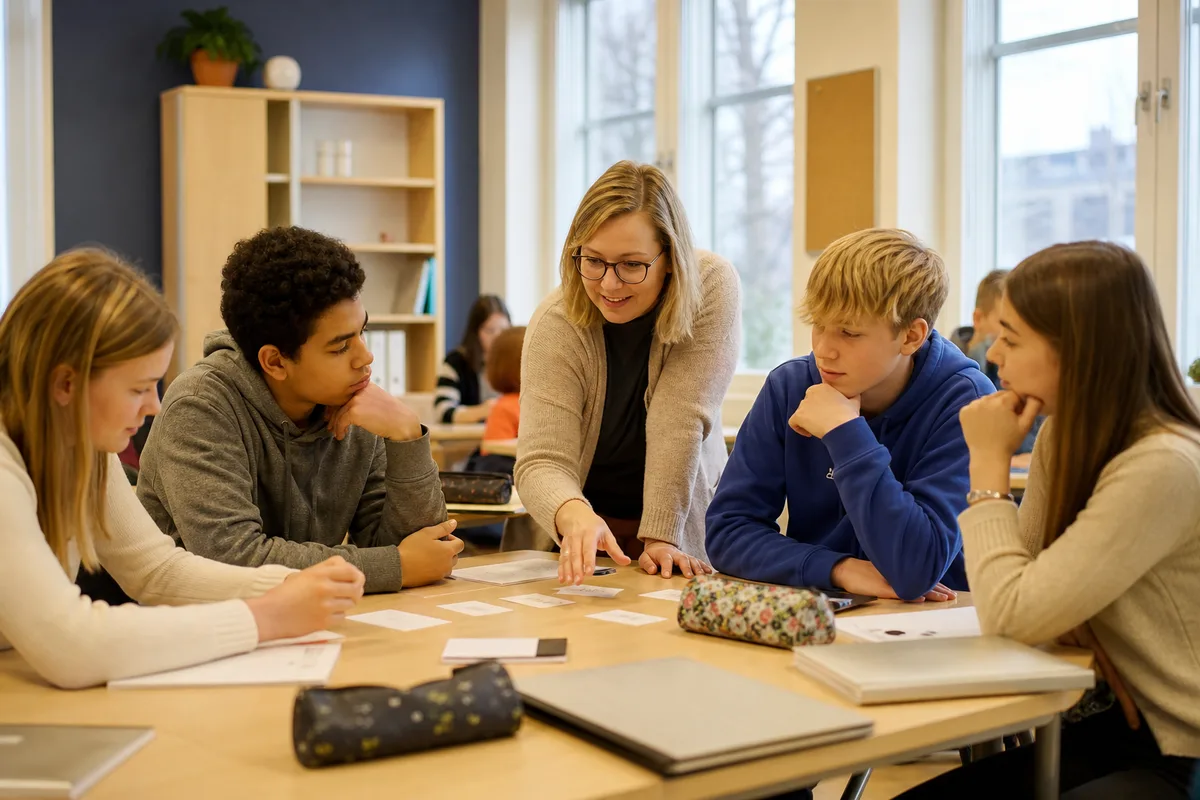
A teacher guides students as they recall and discuss prior knowledge together

Free global entry point

#1 Foundations of Learning Science

Discover how memory, forgetting, retrieval practice, spacing and cognitive load shape learning—and leave with practical strategies you can use immediately.

  • Memory and forgetting
  • Retrieval and spacing
  • Cognitive load
  • Immediate classroom application
Reserve your free place
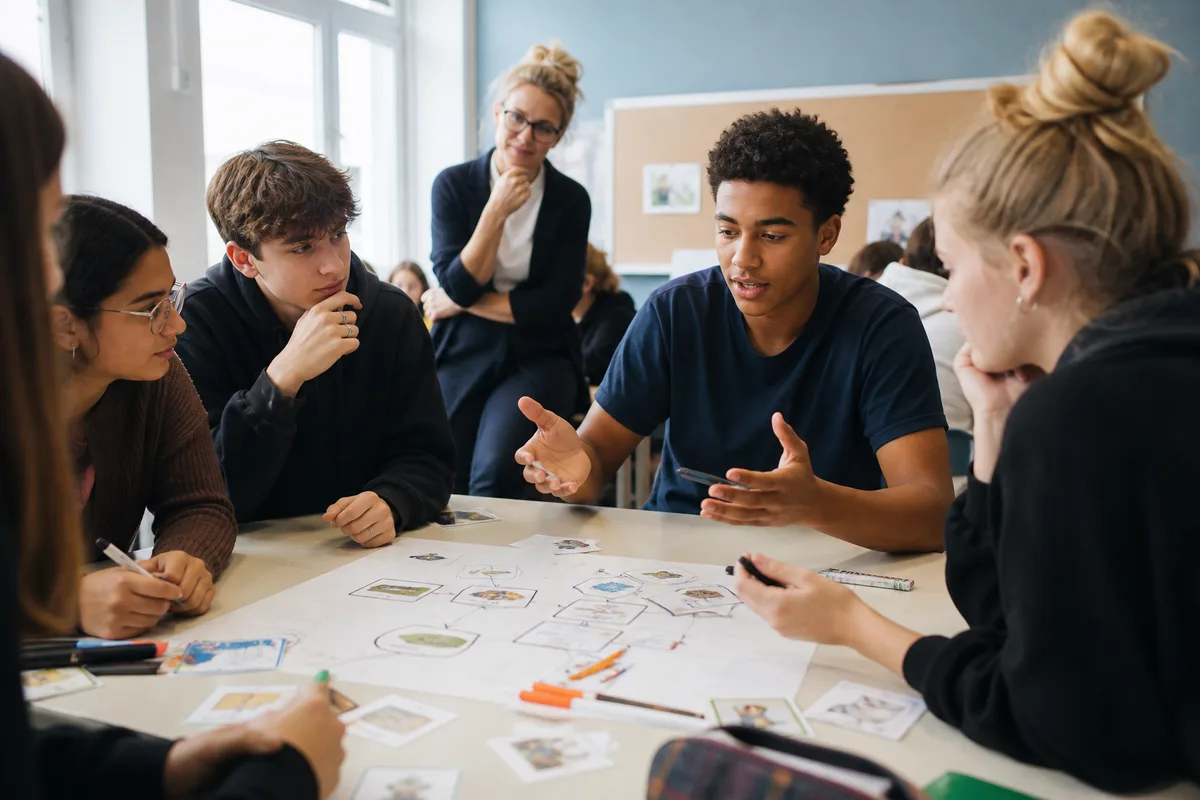
Students actively build a concept map and explain their thinking to one another

From receiving to thinking

#2 Active Knowledge Construction

Move beyond passive exposure. Learn how explanation, discussion, retrieval, concept mapping and guided inquiry help students construct durable knowledge.

  • Active processing
  • Explanation and discussion
  • Concept mapping
  • Guided questioning
Students and a teacher listen and contribute during a classroom circle discussion

From individuals to inquiry

#3 Collaboration and Dialogue

Design classroom routines, group work and discussion that make every learner’s thinking visible and turn the class into a community of inquiry.

  • Structured discussion
  • Effective group work
  • Classroom routines
  • Collaborative assessment
A student independently plans and reflects on her learning in a calm classroom

From dependence to agency

#4 Self-Regulated Learners

Help learners plan, monitor and evaluate their work while strengthening the autonomy, competence and belonging that sustain motivation.

  • Metacognition
  • Motivation
  • Goal setting
  • Reflection and self-assessment
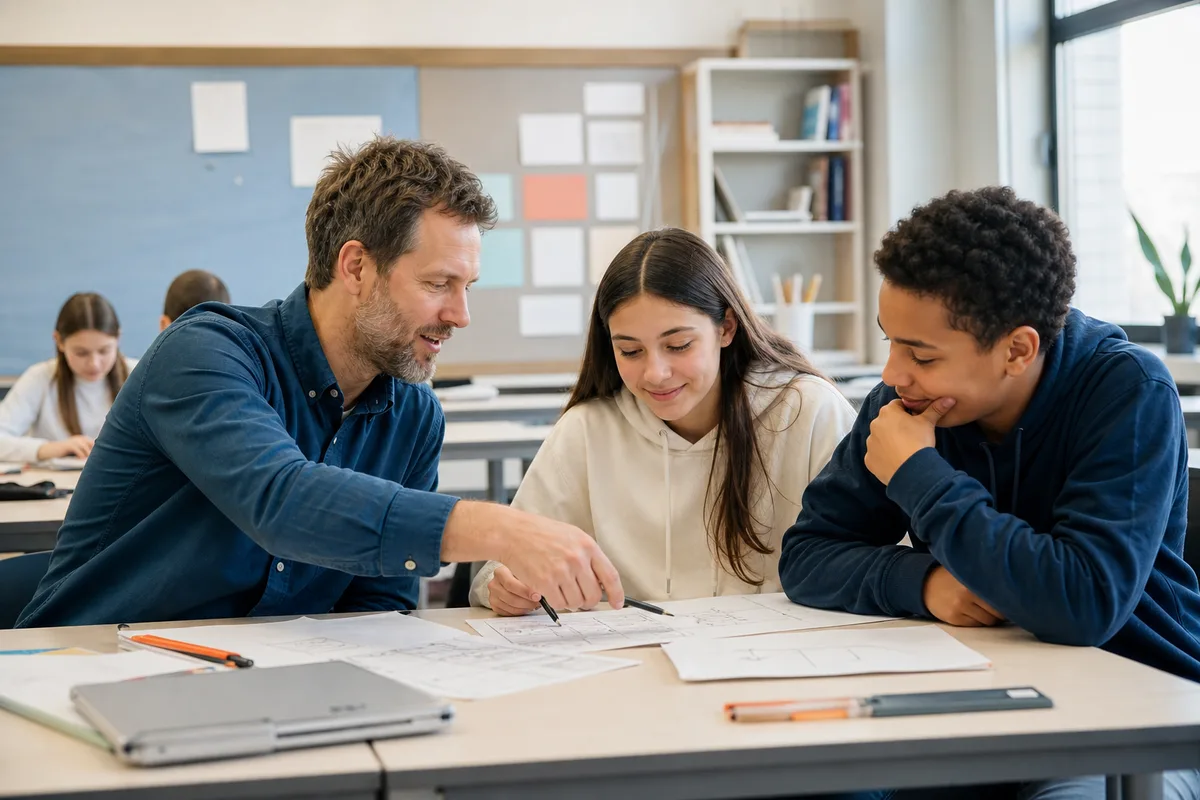
A teacher gives two students supportive feedback as they improve their work

From judgement to growth

#5 Assessment as Learning

Reframe assessment as a learning process through formative checks, useful feedback and a classroom culture where mistakes guide future improvement.

  • Formative assessment
  • Feedback cycles
  • Feed forward
  • Learning from mistakes
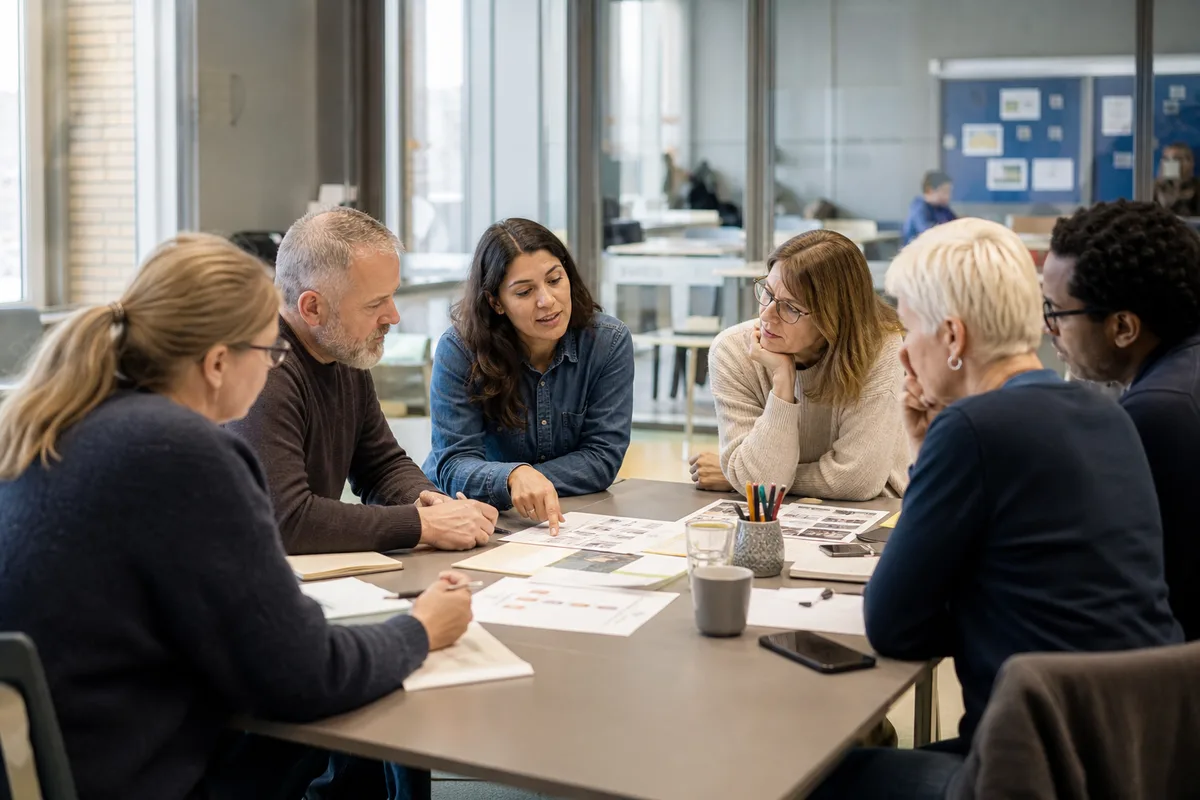
Teachers collaboratively examine learning evidence during a professional learning meeting

From classrooms to systems

#6 School as a Learning Organization

Extend individual practice into sustainable school improvement through shared inquiry, distributed leadership, feedback loops and knowledge exchange.

  • Learning organizations
  • Teacher agency
  • Professional learning communities
  • Knowledge sharing
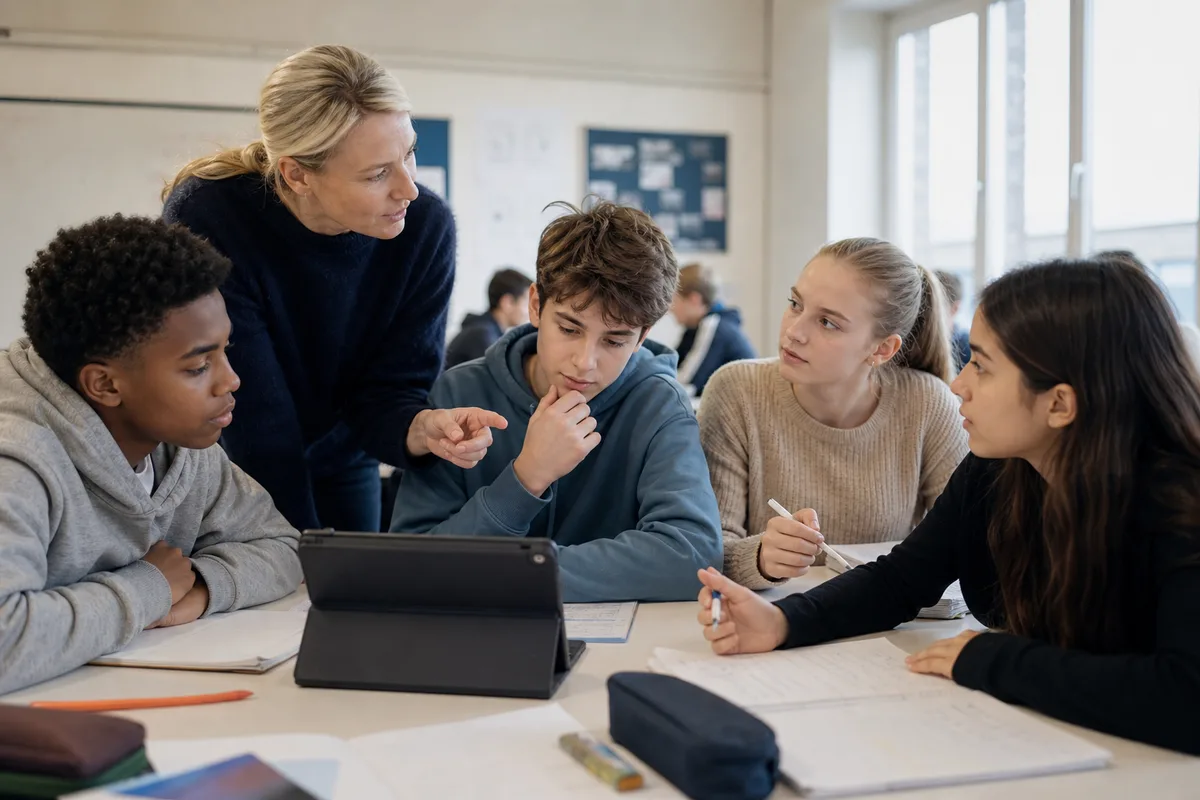
Students use a shared tablet to support discussion and problem solving with their teacher

From tools to better thinking

#7 Technology-Enhanced Learning

Choose and design digital environments according to how people learn, using technology as a cognitive amplifier rather than simply a delivery channel.

  • Cognition-first design
  • Digital cognitive load
  • Purposeful tool selection
  • Technology as an amplifier

The companion book series

The Science of Learning for Educators.

Each webinar is supported by a volume that takes the learning further. Every topic is developed in two complementary editions: one centred on practical classroom use and one that explores the research and evidence in greater depth.

Publication note: Volume 1 is published. Volumes 2–7 are still being proofread and will be released only after editorial review is complete.

Explore the scientific reference library
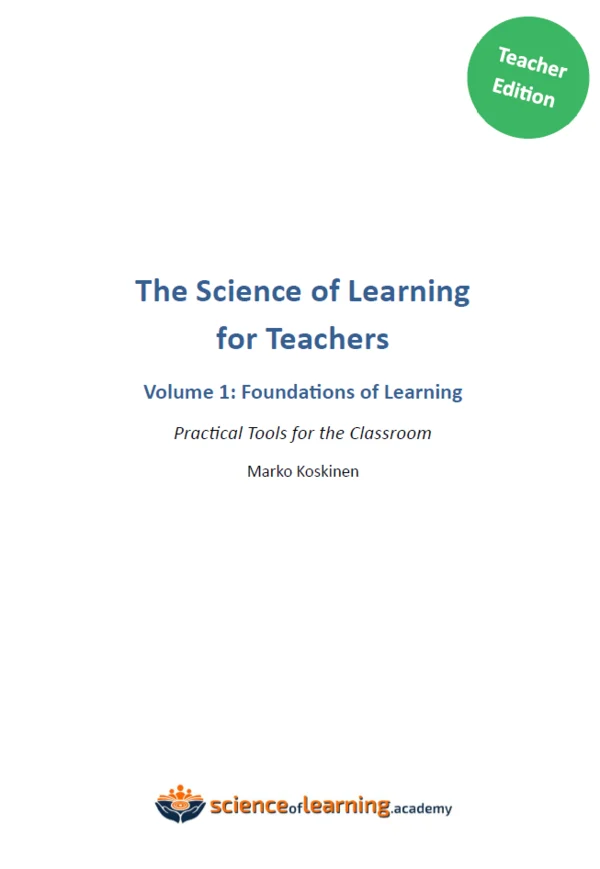
Cover of Volume 1, Practical Tools for the Classroom
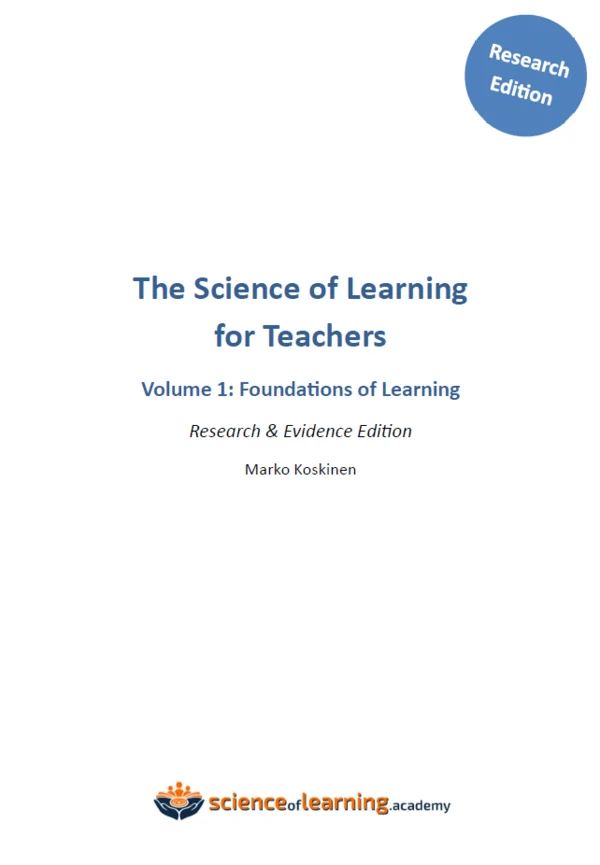
Cover of Volume 1, Research and Evidence Edition

Published

Volume 1

Foundations of Learning

The first volume accompanies the free introductory webinar and turns its foundations—memory, retrieval, spacing, cognitive load and effective learning strategies—into a resource educators can revisit.

Practical Tools for the Classroom
Clear explanations and classroom-ready application.

Research & Evidence Edition
Deeper engagement with the scientific foundations.

Join the Volume 1 webinar

Volumes 2–7

The complete pathway is taking shape.

These manuscripts are current working versions. Titles and content may still change during proofreading and editorial review.

In proofreading

Volume 2

Designing Classrooms for Deep Learning

Practical editionResearch edition
In proofreading

Volume 3

Designing Collaborative Learning Environments

Practical editionResearch edition
In proofreading

Volume 4

Cultivating Self-Regulated Learners

Practical editionResearch edition
In proofreading

Volume 5

Assessment as Learning

Practical editionResearch edition
In proofreading

Volume 6

Schools as Learning Networks

Practical editionResearch edition
In proofreading

Volume 7

Technology-Enhanced Learning Environments

Practical editionResearch edition

A shared language of learning

Teachers are the starting point—not the boundary.

The pathway and its books are also being adapted for parents and students. When everyone understands the same core principles, effective learning can be supported consistently across school and home.

Teachers

Design lessons, classrooms and schools around how learning works.

Parents

Support study habits, motivation, persistence and constructive responses to mistakes.

Students

Understand their own learning and apply effective strategies independently.

2037

The long-term vision

Global Teacher Cognitive Literacy Target 2037.

Our aim is for a vast majority of teachers worldwide to develop a strong, research-based understanding of memory, cognitive load, motivation and self-regulation—and for these principles to become part of teacher education and everyday educational decision-making.

Extending this knowledge to students and families turns isolated improvements into systemic change.

Your entry point

Begin with the science.
Leave with something practical.

The first webinar stands alone as a valuable professional learning experience—and opens the door to the complete seven-part journey.

Register for webinar 1 free